Understanding Whale Behaviour
Decoding One of Nature’s Most Spectacular Shows
The Mystery Behind Humpback Whale Breaching
Of all the incredible sights during whale watching season in Sydney, nothing compares to witnessing a humpback whale breach—that stunning moment when a whale propels its entire body out of the water before crashing back down with a dramatic splash.
It’s breathtaking, emotional, and unforgettable. But it also raises a common question:
Why do whales breach?
From scientific theories to behavioural clues, this article explores the reasons behind this powerful surface activity and how it contributes to humpback whale communication, survival, and social interaction.
What Is Whale Breaching?
Breaching is a type of surface behaviour where a whale thrusts itself upward, using its tail for propulsion, and often lands with a loud, echoing splash.
This behaviour falls under a category known as surface-active displays, which also includes:
-
Tail slaps
-
Pectoral fin slaps
-
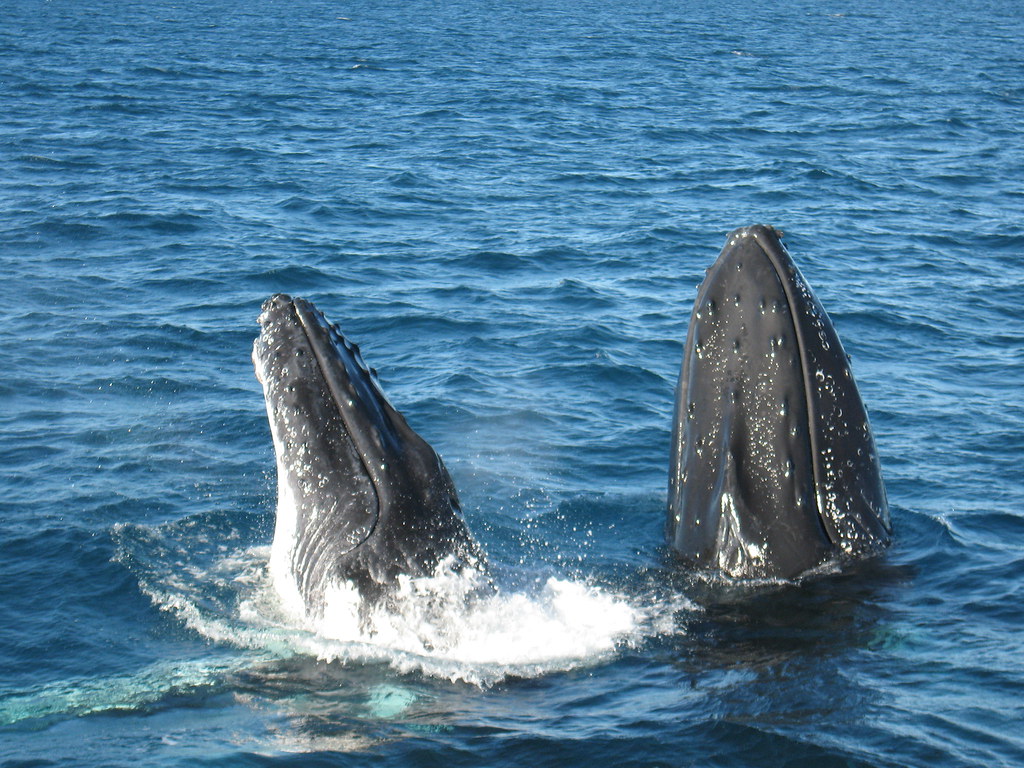
Spy hopping
-
Peduncle throws
These displays are not just random actions — they serve important biological and social purposes for humpback whales.
Why Whales Breach: The Leading Theories
While researchers can’t ask whales directly, decades of observation and study have led to several compelling explanations.
1. Communication Across Long Distances
Breaching produces a thunderous splash that can travel great distances underwater, making it an effective non-vocal signal. This is especially useful when:
-
Visibility is low
-
Pods are spread apart
-
Background noise interferes with vocal calls
It’s believed that breaching is one way whales communicate their location, mood, or intent to other whales nearby.
2. A Display of Strength or Dominance
In the breeding season—especially during the northbound migration—breaching may serve as a competitive or courtship display.
Males often breach repeatedly to:
-
Attract females
-
Deter rival males
-
Demonstrate physical fitness
This aligns with other displays like peduncle throws, where the whale uses its powerful tail stock to whip the water with force.
3. Parasite Removal and Skin Maintenance
Another popular theory is that breaching helps whales shed parasites or dead skin. The impact of hitting the water may:
-
Dislodge barnacles and lice
-
Help maintain healthy skin
-
Remove surface irritants
Younger whales, still developing their immune systems, may breach more frequently for this reason.
4. Playful or Social Behaviour
Breaching is also observed during resting or playful periods, especially among calves and juveniles.
Much like dolphins, young whales may:
-
Breach for fun
-
Mimic adults
-
Learn essential social cues through practice
This theory supports the idea that whales have complex emotional and cognitive lives.
5. Navigation or Orientation
Spy hopping—when a whale raises its head vertically above water—is used to look around. Some scientists believe breaching may assist whales with:
-
Navigating coastlines
-
Sensing surface cues like waves or land
-
Resetting body orientation mid-journey
How Often Do Whales Breach?
Breaching frequency depends on several factors, including:
-
Age and sex of the whale
-
Time of year (breeding vs. migrating)
-
Weather and water conditions
-
Presence of other whales or boats
Some whales breach once in an hour. Others may breach 10+ times in a row, creating an unforgettable show for whale watchers.
Best Time to See Breaching in Sydney
If you’re hoping to witness breaching firsthand, the best whale watching times in Sydney are:
-
June to July: energetic adults heading north
-
September to October: calves practicing playful breaches
Book a morning tour for calmer seas and more surface activity. You can check our live availability and book your Barefoot Whale Watching tour here.
Other Whale Surface Activities Explained
Breaching is just one of many surface behaviours seen during whale watching. Here are a few others commonly observed off the Sydney coast:
Tail Slaps
The whale lifts its tail fluke and slaps it forcefully on the surface. This may signal frustration, aggression, or location.
Pectoral Slaps
With long white fins (up to 5m), humpbacks often lie on their side and slap their pectorals, possibly as a playful or mating display.
Peduncle Throws
A forceful horizontal tail throw, often seen between competing males. This is one of the most aggressive displays in the humpback repertoire.
To dive deeper into these behaviours, check out our Sydney Whale Science article.
Why Understanding Whale Behaviour Matters
Understanding surface activity like breaching helps scientists:
-
Track migration patterns
-
Measure whale health and stress
-
Understand social structures in pods
-
Advocate for better marine conservation policies
For the public, it deepens the whale watching experience, helping guests recognise and interpret the natural wonders they witness on every tour.
See Breaching Whales Up Close with Barefoot Whale Watching Sydney
There’s nothing like feeling the splash of a 40-ton humpback as it crashes back into the sea. At Barefoot Whale Watching Sydney, we offer:
-
Small group tours with unobstructed views
-
Comfortable, purpose-built vessels
-
An enthusiastic local crew of marine experts
We specialise in up-close encounters and unforgettable moments.
Learn more about why guests love cruising with us or meet our crew before you set sail.