ABOUT
BAREFOOT CREW

About
CAPTAIN DEAN CROPP

ABOUT
BAREFOOT BLUE BOAT

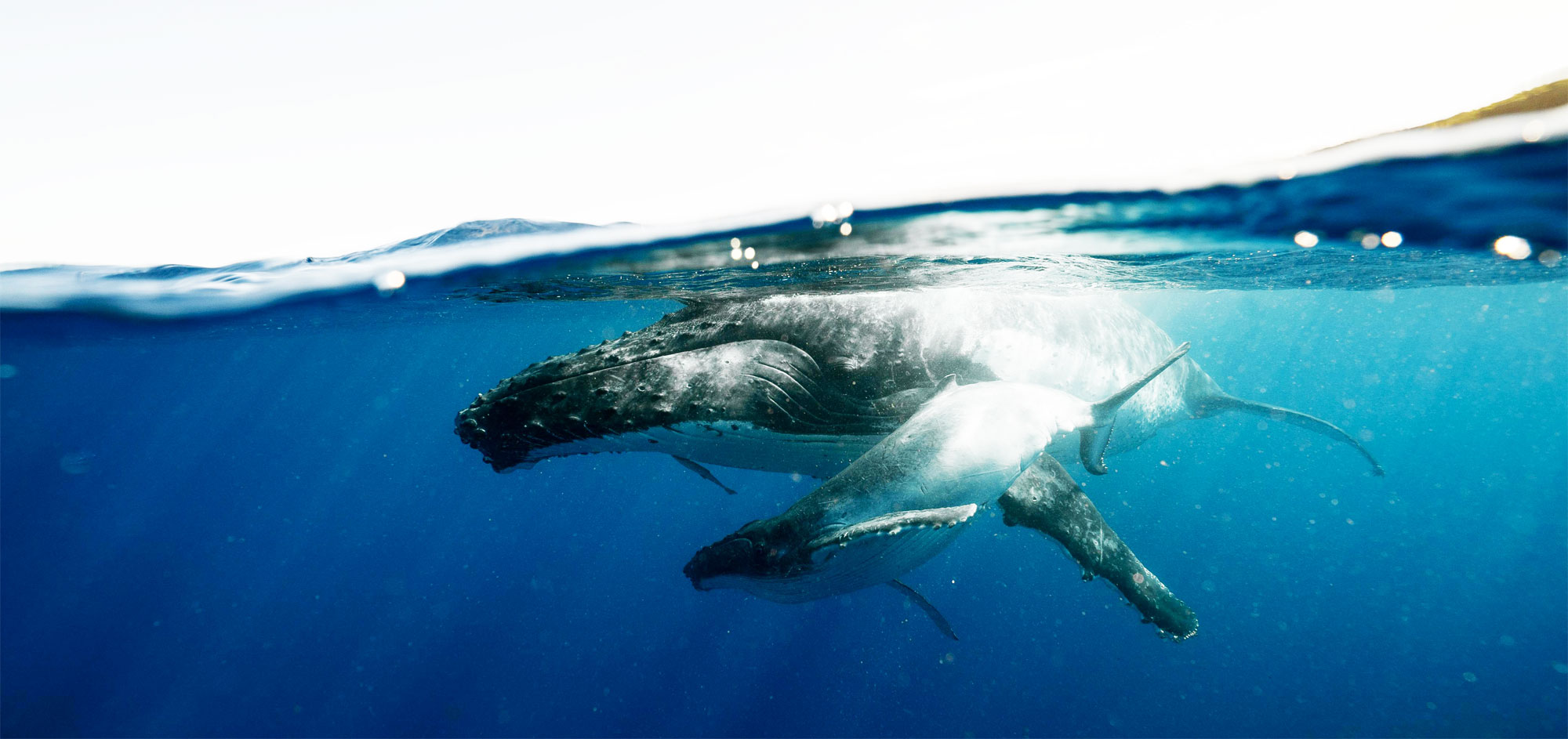
Humpback whales are renowned for their captivating behaviours, including tail fluke lifts when diving, successive breaches, and striking their pectorals or tail on the water surface. These exuberant displays are not only diverse but also shrouded in mystery. So, what do these feats signify, and what purpose do they serve? Let’s delve into the reasons behind some of these intriguing power shows.
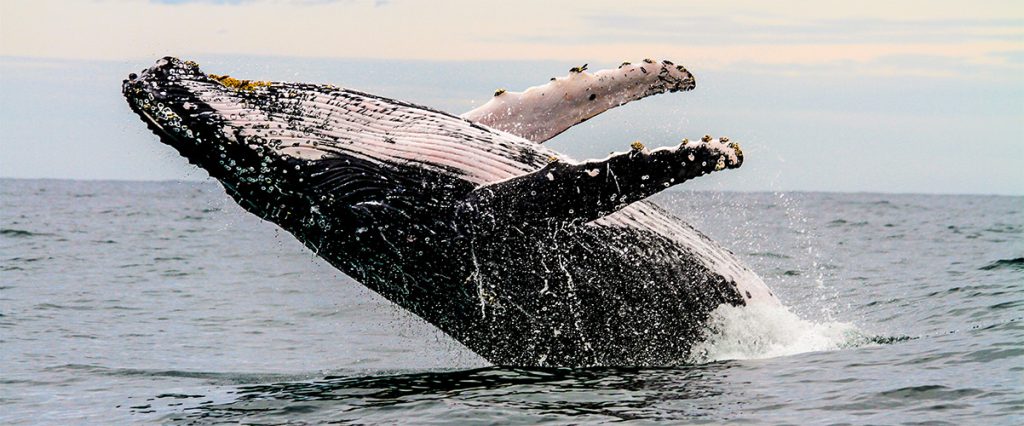
Throughout the cetacean breeding season, male displays such as slapping the water surface with their pectoral fins and tail or breaching typically serve as demonstrations of strength. These behaviours are employed to attract females and deter potential competitors, showcasing the males’ vigour and dominance in the mating arena.
Let’s take a closer look at types of humpback whale behaviour.
Sound is a vital medium of communication for whales, with the collision between their bodies and the water surface generating sounds that can travel considerable distances. Scientific consensus holds that these sounds constitute a diverse repertoire utilised for communication among individuals. Whales possess the ability to communicate both vocally, owing to their broad vocal spectrum, and non-verbally through their behaviour and the sounds they produce, akin to many other animals, including humans.
While vocalizations have been extensively studied, the sounds produced by whales’ surface activities remain somewhat mysterious. Nevertheless, the behavioural repertoire of humpback whales plays a pivotal role in deciphering social interactions among individuals. These surface sounds are likely to facilitate dispersed groups in maintaining contact and locating one another, as well as aiding communication among individuals within the same group.
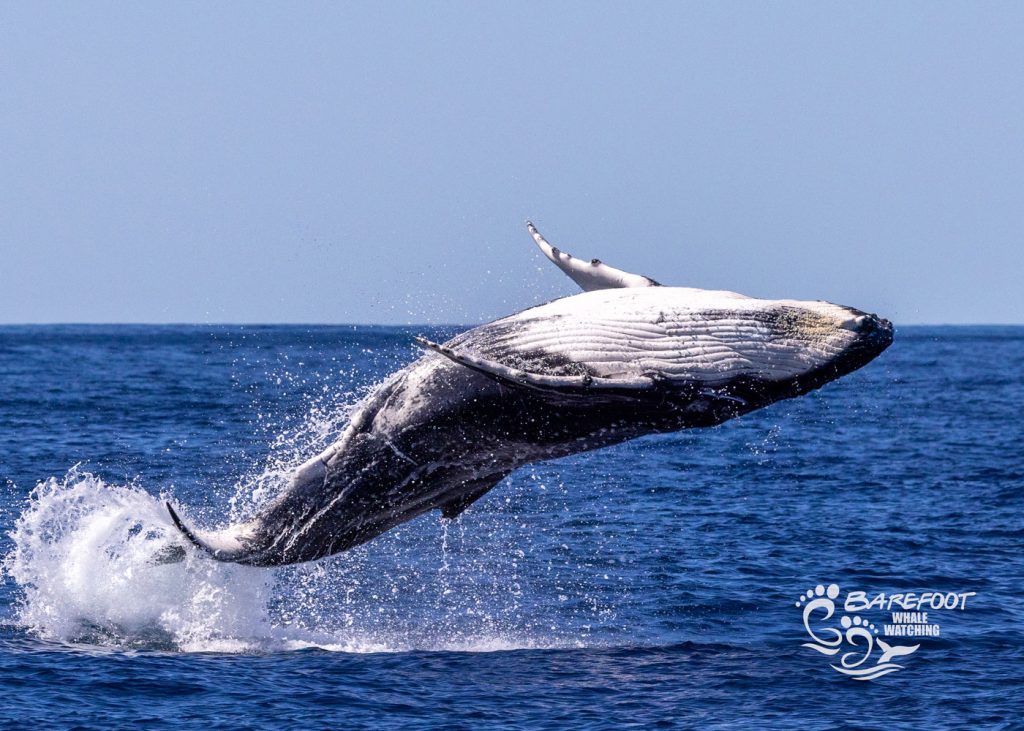
read moreBreaching whales are an awe-inspiring sight. These majestic creatures, with their imposing size and remarkable acrobatics, never fail to captivate our imagination. Breaching, where a whale propels itself out of the water and crashes back down with a thunderous splash, is a particularly striking display of their prowess. While breaching may appear random, scientists have uncovered several potential explanations for why whales engage in this impressive behaviour.
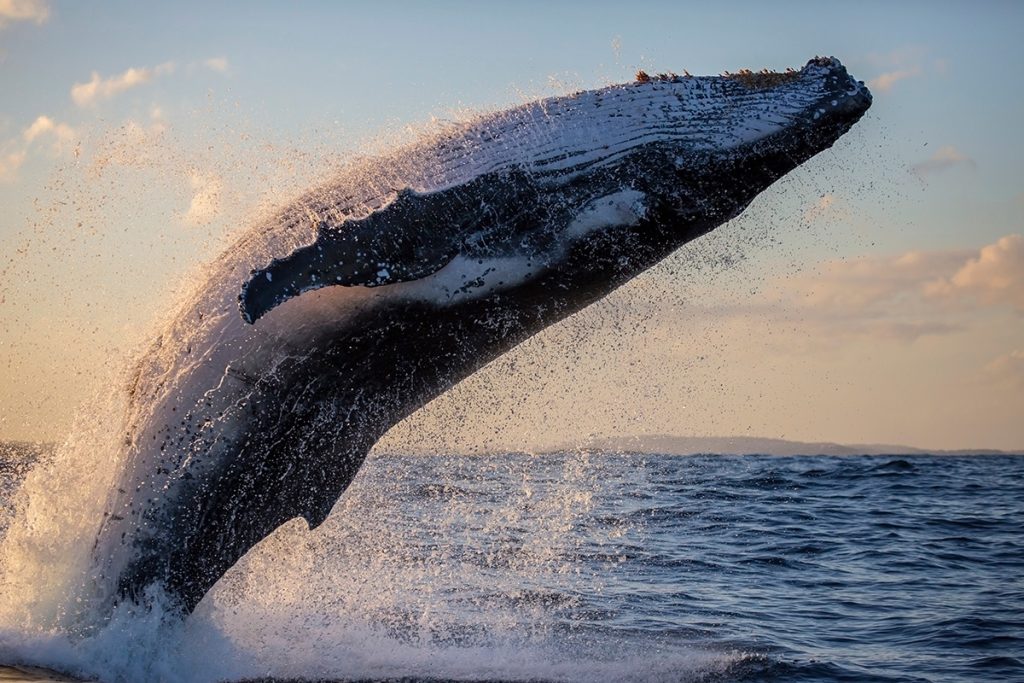
Communication is essential in the social lives of whales, and breaching is believed to be one method they use to convey messages to others in their pod. The powerful splash and sound produced by breaching can travel significant distances underwater, allowing whales to communicate with individuals far away.
Breaching serves as a long-distance visual and acoustic signal, alerting other pod members to their presence or conveying important information such as mating readiness or the location of food sources.
In the vast expanses of the ocean, territory is crucial for whales to establish dominance and secure resources. Breaching can serve as a display of strength and power, acting as a territorial claim.
By breaching, whales showcase their physical prowess and send a clear message to other individuals or competing pods that the area they occupy is their territory. This behaviour helps establish boundaries and can mitigate potential conflicts between rival groups.
Breaching can also assist whales and dolphins in hunting by disorienting and intimidating prey.
Orcas, in particular, employ breaching techniques during hunts, orchestrating coordinated breaches to control the movement of their prey. Additionally, breaching can be utilized for visual observation, allowing whales and dolphins to survey their surroundings, especially in busy coastal areas.
In conclusion, breaching is a captivating spectacle that provides insights into the social dynamics and behaviours of whales. While the exact motivations behind breaching may vary among different species and populations, understanding these behaviours adds to our appreciation of these magnificent creatures and their lives in the ocean. However, further research and observation are necessary to fully unravel the intricacies of whale behaviour and its significance in their broader ecological context. Your photos and videos of whale sightings from your cruise can help in this scientific effort. Ask your crew how you can help.
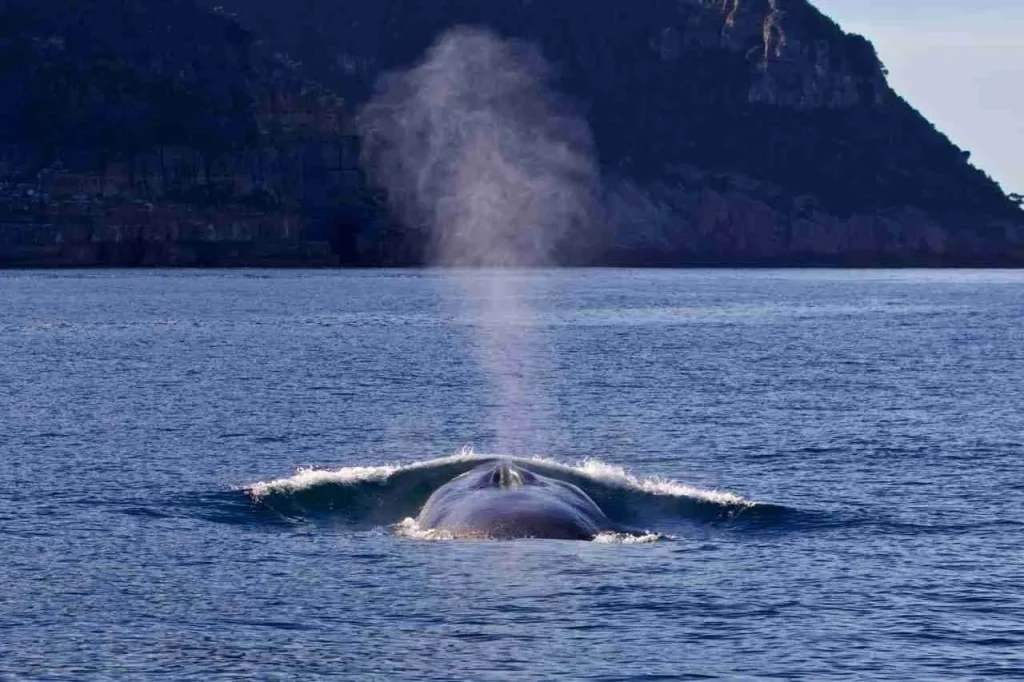
Spotting a whale’s blow is perhaps the most common way to detect their presence. This occurs each time a whale surfaces to breathe, with the exhalation creating a distinctive spout of water and vapour that rises into the air.
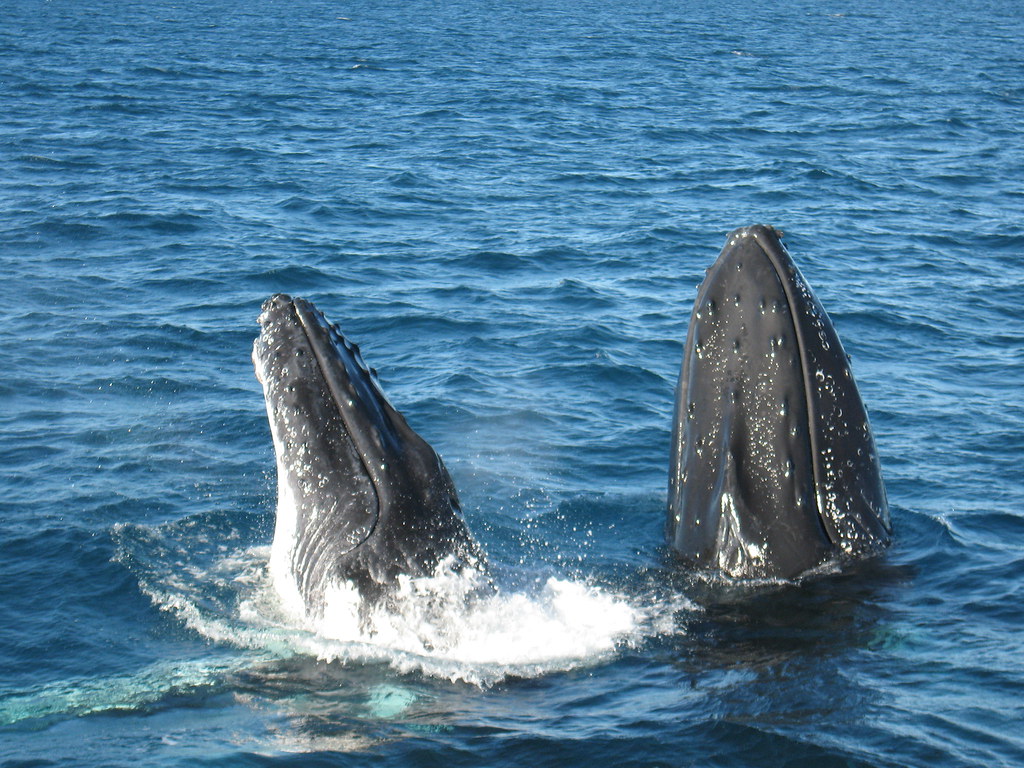
During a head rise or spy hop, a whale elevates vertically out of the water, often with its head above the surface. This behaviour allows the whale to survey its surroundings and observe what’s happening above the waterline. It allows us to get an amazing view of the nobbly barnacle encrusted Humpback Whale head.
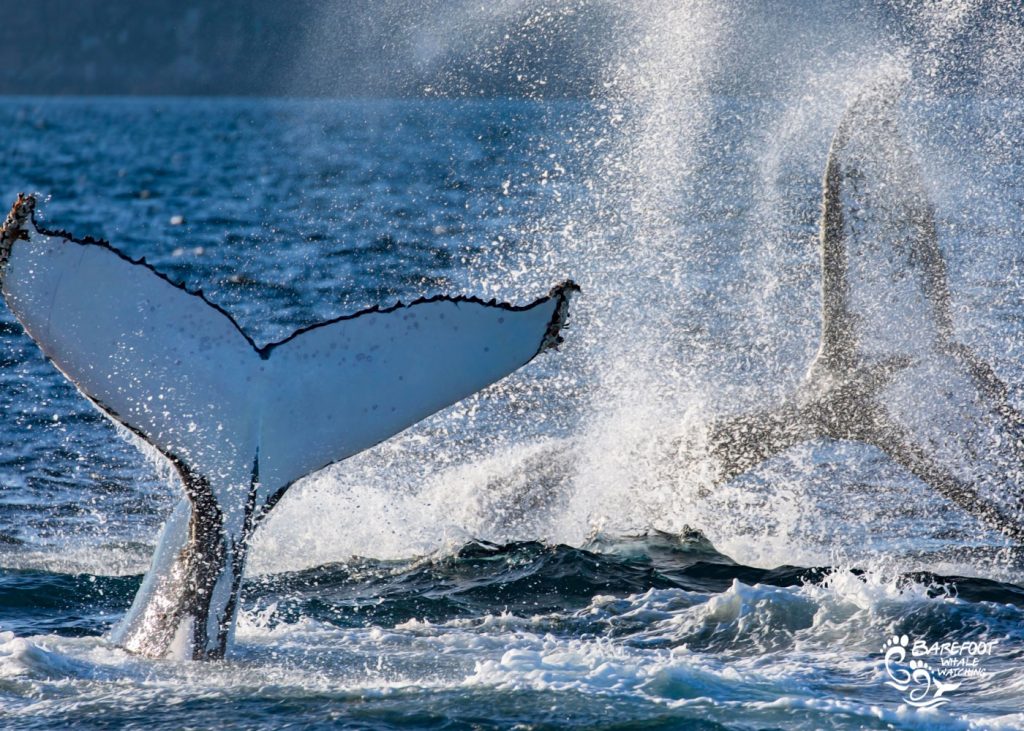
Tail slapping is a striking behaviour where a whale positions itself vertically, head down, and lifts its peduncle out of the water to repeatedly strike the surface with its tail, creating a resounding splash that can be heard over considerable distances. This behaviour is commonly observed just before individuals form groups or when these groups are about to disperse. The noise generated by tail slapping appears to aid in facilitating or regulating these interactions among whales.
According to one hypothesis, tail slapping might serve as an antagonistic behaviour during interactions between competing groups of whales. For instance, when multiple males vie for the attention of a female, tail swipes may be used to fend off rivals. Interestingly, females and calves have also been observed engaging in whale tail slapping, even in the absence of nearby males. This behaviour could potentially serve as a form of playful imitation of their elders or simply as a means of enjoying themselves in the lively waters.
A particularly surprising yet plausible hypothesis suggests that tail slapping could be a feeding technique in southern waters. The thunderous noises produced by the whale’s tail are believed to startle nearby prey, causing them to gather in tighter groups. This behaviour makes it easier for the whale to engulf large, calorie-rich mouthfuls of prey.

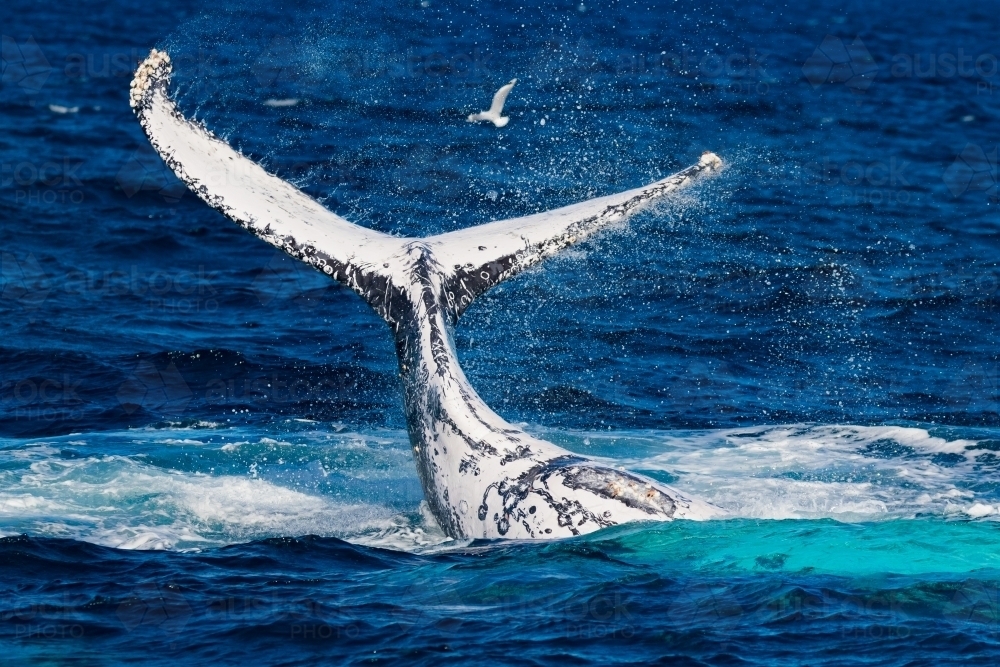
This impressive display, known as a peduncle throw is predominantly exhibited during the breeding season. The male humpback whale turns on its side and propels its lower body forcefully into the air before letting it crash back into the water. This behaviour represents one of the most aggressive displays of strength that humpbacks can exhibit. It is commonly observed during interactions between rival groups or individuals, often as a means to vie for the attention of females.
Offshore, a whale’s tail protrudes above the water surface, remaining motionless for minutes on end. There’s no cause for alarm! This behaviour, known as tail sailing, is an unusual posture but not abnormal.
Tail sailing is often observed in female whales accompanied by their calves and can persist for anywhere from a few minutes to several hours. In some instances, scientists have reported whales maintaining this position for as long as ten hours!
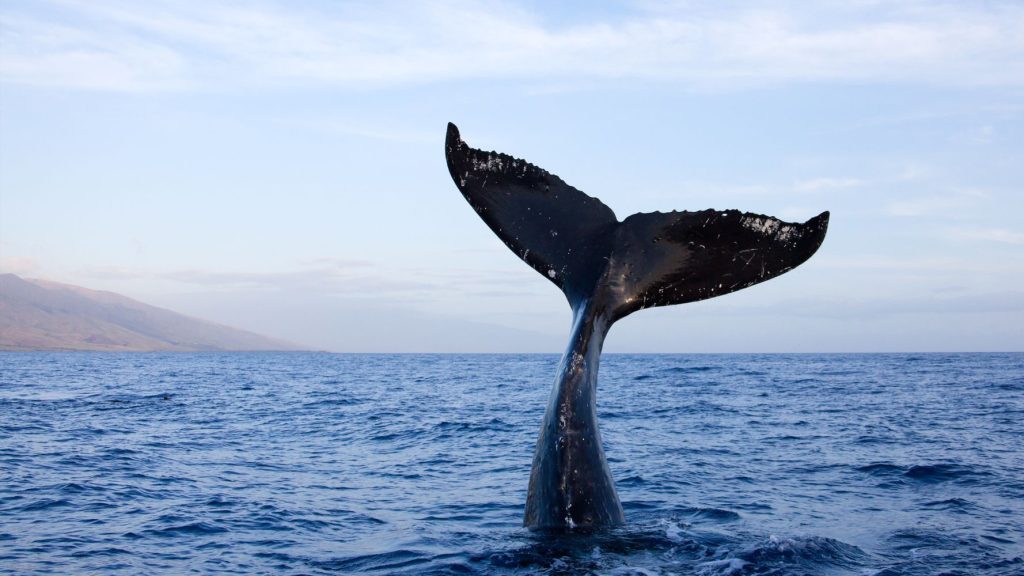
While the scientific community remains uncertain about the exact cause of tail sailing, several theories have been proposed. Ed Lyman, a protected resources specialist for the Hawaiian Islands Humpback Whale National Marine Sanctuary, suggests that this behaviour is likely related to parental care. According to Lyman, it’s probable that this peculiar posture can be attributed to one or a combination of three theories. The first hypothesis suggests that this position allows the mother to rest while keeping a watchful eye on her calf.
Additionally, it’s possible that the mother finds it easier to nurse her calf while positioned vertically in the water, as this places her mammary glands in an ideal position to deliver milk directly into the calf’s mouth. Lastly, this unusual posture could also serve as a thermoregulation technique.
On a breezy day, a wet caudal fin protruding above the water surface might aid the whale in staying cool, akin to the way sweat helps regulate our body temperature during a heatwave.
Since these three explanations are not mutually exclusive, it’s conceivable that the female humpback benefits from all three techniques simultaneously when assuming a vertical position in the water.
Gaining a clearer understanding of these behaviours in the future presents a challenge. Pinpointing their exact functions with certainty is difficult, as they can vary depending on factors such as the groups involved, the age and sex of the animals, their proximity to one another, the context of their interactions, and their environment. Nevertheless, ongoing studies contribute significantly to a more comprehensive understanding of the social behaviour exhibited by these magnificent giants.
read more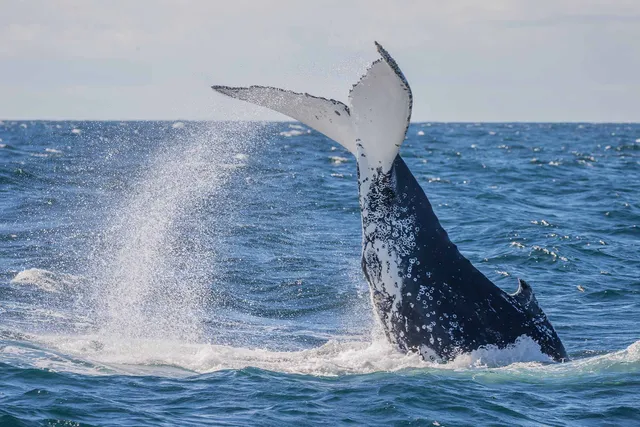
A tail slap occurs when a whale forcefully slaps its massive fluke (tail) against the water surface, creating a resounding splash. This behaviour is often performed repeatedly and can serve various purposes, including communication, social signaling, or possibly as a means of stunning prey.
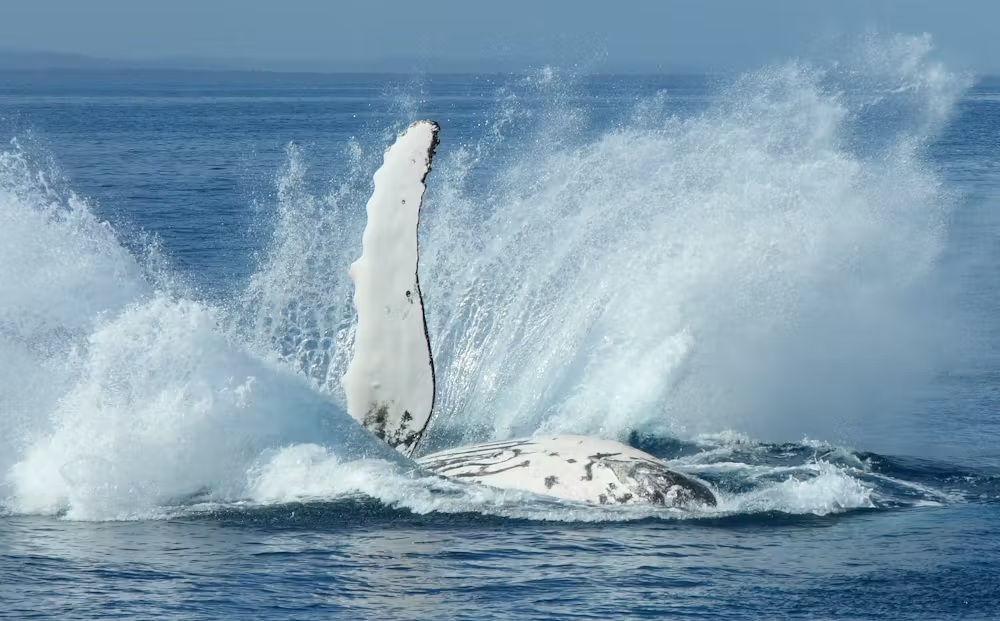
A flipper slap, also known as a pec slap, occurs when a whale strikes the water with one of its pectoral fins, creating a distinctive sound and splash. This behaviour is another form of communication or social interaction among whales and can also be used to startle or signal to nearby individuals.

Humpback whale breeding season sees these majestic creatures migrate north from Sydney to the warmer waters of Hervey Bay between June and August to mate and give birth.
While females tend to be slightly larger than males, both genders typically measure between 40 and 50 feet in length and weigh between 25 and 40 tons when fully grown.
Feeding on minute organisms such as krill (small shrimp-like crustaceans) and various types of small fish, humpback whales are voracious eaters consuming up to 1.5 tons of food per day! They employ a scaled-up water filtering mechanism to hunt, swimming with their mouths wide open through schools of prey. After engulfing water filled with prey, they expel it through plated grooves in their mouths known as baleens, effectively filtering their food. Humpback whales are social hunters, utilizing a diverse array of techniques, with the “bubble net” strategy being particularly fascinating. In the remarkable “bubble net” feeding strategy, a group of whales collaborates to create a net-like structure.
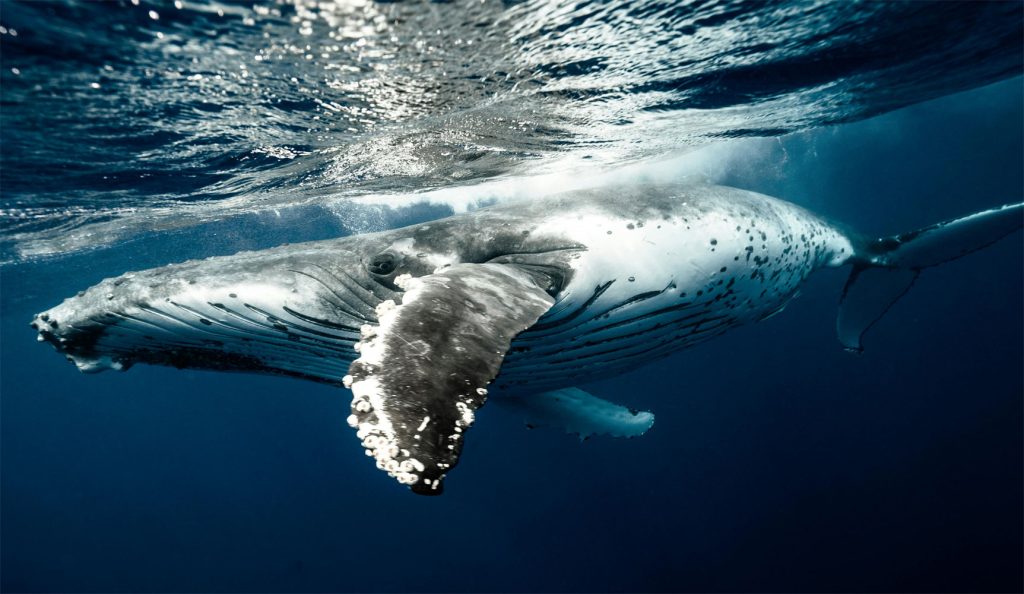
They swim in a coordinated manner below a group of prey, forming a shrinking circle while releasing bubbles. This action confines the prey into a progressively smaller cylinder. When the circle is sufficiently tight, the whales swim through it, harvesting their food as they pass through the concentrated mass of prey. The humpback whale boasts a distinctive body shape, characterised by unusually long pectoral fins and a knobby head. Additionally, the dorsal fin and flukes (tail) of humpback whales feature unique shape and colour patterns, akin to fingerprints in humans, making each individual easily distinguishable.
read moreHumpback whales lack the ability to breathe underwater, but they excel at holding their breath. They resurface approximately every 7 to 20 minutes to take in a fresh breath of air expelling a huge blow that can be many meters tall and visible for quite a distance. During these surfaces, they often engage in acrobatic stunts, possibly as a means of communication. Overall, humpback whales spend roughly 10% of their time at the surface, where they showcase their remarkable behaviours.
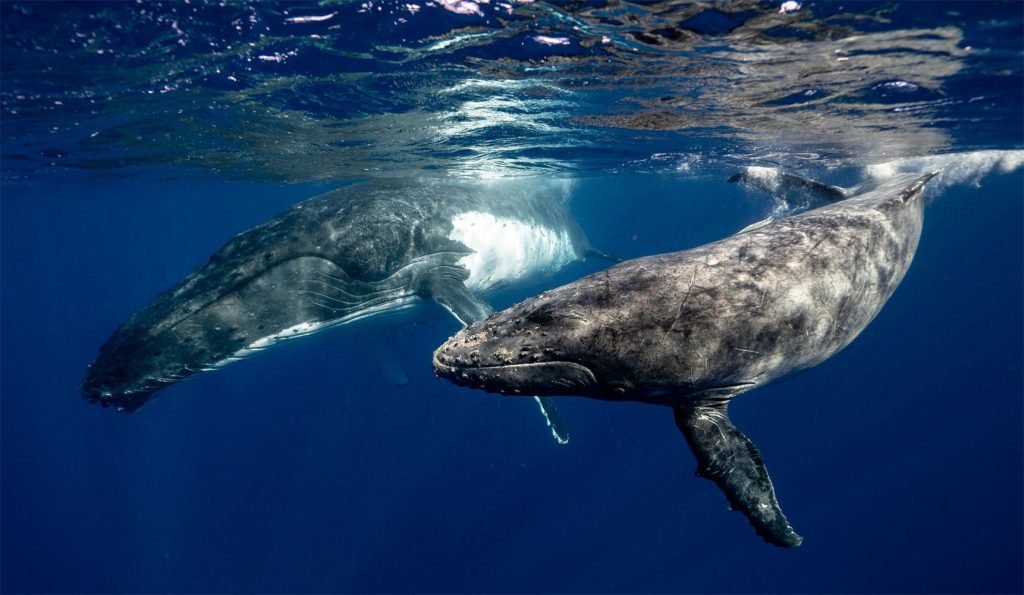
Humpback whales undertake biannual migrations between Antarctic cold-water feeding grounds and tropical mating and calving areas. This cyclical migration pattern allows them to optimise feeding in nutrient-rich polar waters and reproduce in warmer, sheltered regions. The primary driver of this migration is food availability in the south and mating and calving in the north, though factors such as water temperature, salinity, and predator presence also play a role. While polar waters offer abundant food, they also attract large predators like killer whales, posing a threat to young calves. To safeguard their vulnerable offspring, humpbacks migrate to food-scarce subtropical waters during the early months of life. A helpful mnemonic to remember this pattern is “summer-feeding, winter-breeding.”
Humpback whales are akin to opera singers of the ocean. Scientists have unveiled their remarkable ability to produce long and intricate “songs,” lasting between 10 and 20 minutes, which can be repeated for hours on end. In the Australian East Coast population, all whales sing the same song, creating a unique and shared melody.
However, whales from other populations sing distinctly different songs, with each song evolving slightly every year. It’s as if they each have their own hit chart! Remarkably, only male whales participate in this vocal performance, suggesting that these songs may play a role in mating rituals and attracting potential mates.
Males are renowned for their ability to sing complex songs, adding another layer to the fascinating repertoire of humpback whale behaviours.